
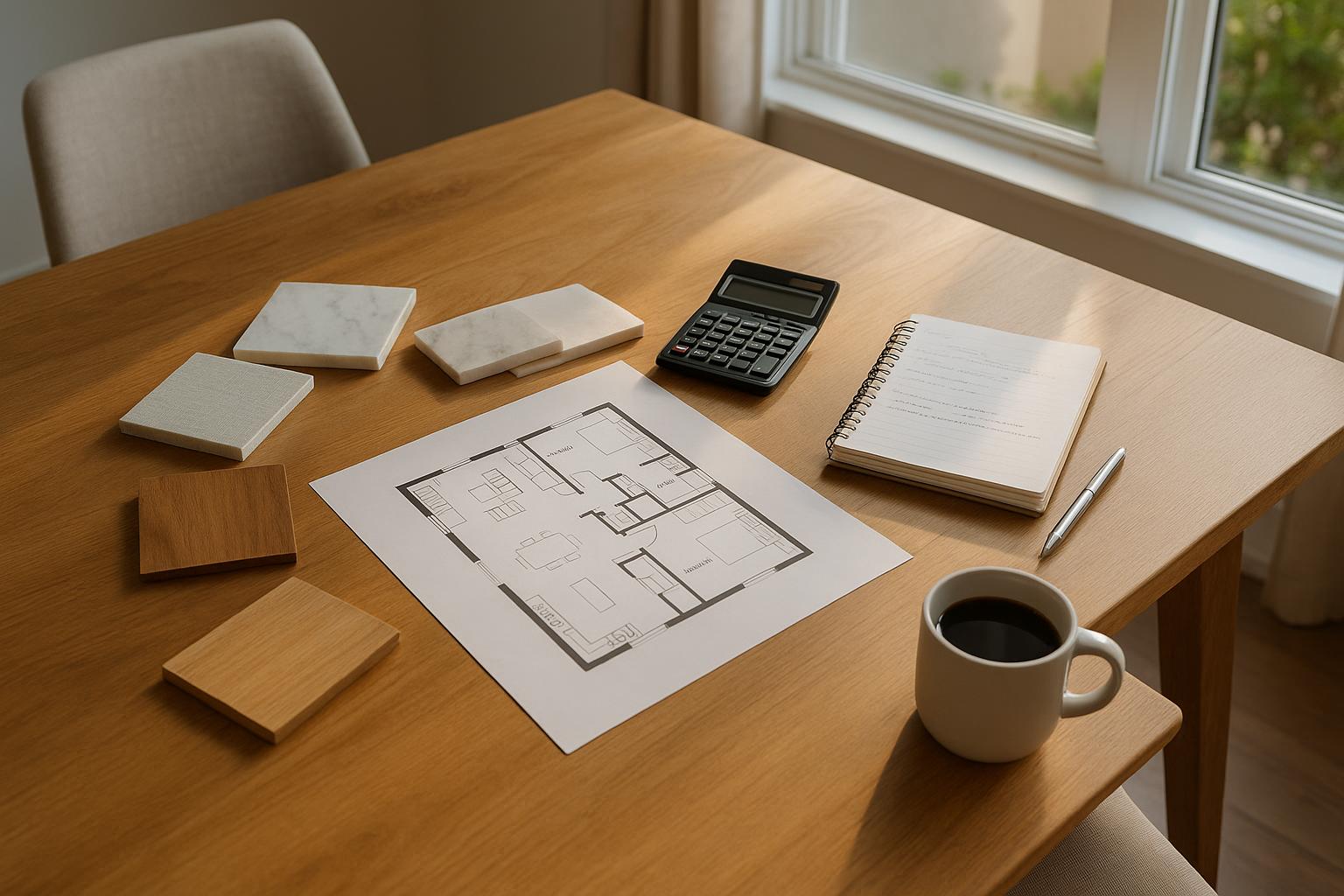
Why Most Renovation Budgets Fall Apart
You've been dreaming about that updated kitchen, a reimagined bathroom, or a whole-home refresh for months. You've scrolled through inspiration photos, visited showrooms, maybe even gotten a quote or two. But when it comes time to set a budget, things get murky fast.
The truth is, most homeowners underestimate what a remodel will cost — not because they're careless, but because renovation pricing isn't straightforward. Material costs fluctuate, hidden problems surface behind walls, and it's easy to fall in love with upgrades that weren't part of the original plan.
If you're a homeowner in Fort Lauderdale thinking about a renovation, getting your budget right from the start is the single most important step you can take. Here's how to do it without the guesswork.
Step 1: Define Your Goals Before You Set a Number
Before you assign a dollar amount, get clear on what you actually want to accomplish. Are you renovating to increase your home's resale value? To fix functional problems? To finally create a space that feels like yours?
Your goals will shape every decision that follows — from material choices to how much of the home you tackle at once. A homeowner preparing to sell in Lighthouse Point might prioritize cosmetic updates with broad appeal, while a family settling into Oakland Park for the long haul might invest more in custom features and premium finishes.
Write down your top three priorities for the project. When budget pressure hits later (and it will), this list becomes your decision-making compass.
Step 2: Research Realistic Cost Ranges
One of the biggest budgeting mistakes is relying on national averages you find online. Remodeling costs vary significantly by region, and Fort Lauderdale has its own pricing realities — from labor rates to material availability to permitting requirements in Broward County.
Here are some general ranges to use as starting points for planning purposes:
- Kitchen remodel: $25,000–$75,000+ depending on scope, layout changes, and material selections
- Bathroom remodel: $15,000–$40,000+ depending on size and complexity
- Flooring installation: $5,000–$15,000+ depending on material and square footage
- Interior painting and finishing: $3,000–$10,000+ depending on the number of rooms and prep work needed
- General home renovation: Varies widely based on scope — multi-room projects can range from $50,000 to well over $100,000
These numbers aren't meant to scare you. They're meant to ground your expectations so you can plan intelligently rather than reactively.
Step 3: Build in a Contingency Fund
This is the rule that experienced homeowners swear by and first-timers almost always skip: set aside 10–20% of your total budget as a contingency fund.
In South Florida homes especially, surprises are common. Older homes in Wilton Manors or Pompano Beach may have outdated plumbing, aging electrical systems, or moisture damage that isn't visible until demolition begins. A contingency fund isn't pessimism — it's smart planning.
If you finish the project without touching it, congratulations. But if a plumbing issue or code requirement pops up mid-renovation, you'll be grateful you planned ahead instead of scrambling for funds.
Step 4: Understand Where Your Money Goes
A common frustration during remodeling is feeling like money disappears without a clear explanation. Understanding the typical cost breakdown helps you feel more in control:
- Labor: Typically accounts for 35–40% of the total project cost. Skilled tradespeople — electricians, plumbers, tile installers — are worth every dollar.
- Materials: Usually 30–35% of the budget. This is where choices like quartz vs. laminate countertops or porcelain vs. luxury vinyl flooring make a big difference.
- Permits and inspections: Required for most structural, electrical, and plumbing work in Broward County. Budget $500–$2,000+ depending on the scope.
- Design and project management: Some contractors include this in their pricing; others charge separately. Either way, professional oversight saves money in the long run by preventing costly mistakes.
Step 5: Get Detailed Estimates, Not Ballpark Guesses
When you're comparing contractors, pay attention to how they present their pricing. A trustworthy remodeling company will provide a detailed, itemized estimate that breaks down costs by phase, material, and labor — not a vague lump sum on the back of a business card.
Ask questions like:
- What's included in this estimate, and what's not?
- How do you handle change orders if I want to adjust something mid-project?
- Are permits and inspections included in your pricing?
- What happens if we discover unexpected issues during demolition?
The answers to these questions tell you a lot about how a contractor operates — and whether they'll protect your budget or blow through it.
Step 6: Prioritize and Phase If Needed
Not every renovation has to happen all at once. If your dream project exceeds your current budget, consider phasing the work. Many Fort Lauderdale homeowners start with the highest-impact room — often the kitchen or primary bathroom — and plan the next phase for a year or two later.
Phasing works especially well when you're working with a contractor who understands your long-term vision. They can make smart infrastructure decisions during phase one (like upgrading electrical or plumbing) that make future phases easier and less expensive.
Where to Spend More
- Quality cabinetry and storage solutions you'll use daily
- Durable, moisture-resistant materials suited to South Florida's humidity
- Skilled labor for plumbing, electrical, and tile work
Where You Can Save
- Decorative hardware and accessories (easy to upgrade later)
- Paint colors and accent walls (low cost, high impact)
- Standard fixtures in secondary bathrooms or utility spaces
Step 7: Track Spending Throughout the Project
Your budget isn't a set-it-and-forget-it document. Once the project begins, review spending regularly — ideally weekly — with your contractor. A good remodeling partner will keep you informed about where you stand financially and flag potential overages before they become problems.
If you're the type who likes spreadsheets, great. If not, ask your contractor how they communicate budget updates. Transparency here is non-negotiable.
A Realistic Budget Leads to a Better Renovation
The best renovations aren't the ones with the biggest budgets — they're the ones where homeowners and contractors are aligned from day one. When you know what things cost, where your money is going, and what trade-offs you're willing to make, the entire process becomes less stressful and more rewarding.
If you're a homeowner in Fort Lauderdale or the surrounding areas and you're ready to start planning a renovation, we'd love to help you build a realistic budget and a clear plan. At Metro General Contracting, we walk you through every cost, every option, and every decision — so there are no surprises, just results you're proud of.